Introduction
Airway monitoring is a crucial component of patient care, especially in emergency and extensive treatment setups. It requires not just technical skills yet likewise a detailed understanding of the physiological implications of airway concession. This post delves into the Common Obstacles in Airway Monitoring and Exactly How to Conquer Them With Training We will explore various obstacles health experts encounter in respiratory tract management, talk about reliable training approaches including ventilation training courses, and recommend methods for conquering these obstacles to improve individual outcomes.
Common Challenges in Airway Management and How to Get over Them Through Training
Managing an individual's air passage is laden with challenges that can impact their safety and recovery. Below are some common concerns:
Anatomical Variability- Different patients present special physiological structures. For example, weight problems, age, or congenital irregularities can make complex intubation. Solution: Training programs like basic ventilator training courses supply hands-on practice with varied anatomical models to replicate real-life scenarios.
- Many health care experts might not be familiar with the most recent air flow tools or techniques. Solution: Regular participation at updated ventilation training courses guarantees specialists remain competent in using modern devices.
- Conditions like bronchial asthma or COPD can make typical air flow techniques much less effective. Solution: Advanced ventilation training educates different strategies such as high-flow nasal cannulae and non-invasive positive stress ventilation.
- Anxiety throughout high-pressure circumstances can prevent performance. Solution: Simulation-based training aids develop self-confidence with repeated practice under trouble-free conditions.
- Effective air passage monitoring frequently entails several staff member; inadequate communication can lead to errors. Solution: Interprofessional training sessions foster far better synergy and clear up duties during emergency situations.
- Improper airway administration can cause legal consequences for health care providers. Solution: Education on procedures and guidelines throughout training lessens risks associated with respiratory tract management.
Understanding Respiratory tract Management Techniques
What is Air passage Management?
Airway management refers to the techniques made use of to make sure the patency of the airway in between the setting and a client's lungs. This consists of stopping blockage, making certain sufficient ventilation, and supplying appropriate oxygenation.
Importance of Correct Ventilation Techniques
Proper ventilation strategies are essential for maintaining oxygen levels in seriously unwell patients. Not enough ventilation can cause hypoxia, which has major consequences including organ failing or death.
Types of Airway Gadgets Used
- Endotracheal tubes Supraglottic airways Tracheostomy tubes
Each tool serves particular objectives based upon individual requirements and scientific situations.
Ventilator Training for Nurses
Overview of Ventilator Use
Ventilators offer mechanical assistance for individuals who can not breathe individually because of medical conditions such as respiratory system failing or neuromuscular disorders.
Importance of Specialized Ventilator Training
Nurses should go through customized ventilator training to understand:
- Settings like tidal volume and stress support Monitoring ventilator alarms Recognizing signs of ventilator-induced lung injury
Recommended Courses
Courses such as the NDIS ventilation program especially address these proficiencies, gearing up nurses with important abilities for reliable person care.
Comprehensive Air flow Courses
Components of Effective Ventilation Training Courses
A well-rounded course should include:
- Theoretical understanding regarding respiratory physiology Hands-on experiment various sorts of ventilators Case studies showing common obstacles experienced in professional settings
Advanced Strategies: Tracheostomy and Ventilator Training
Training particular to tracheostomy treatment is vital due to the fact that it involves unique factors to consider ventilator training and tracheostomy management contrasted to standard intubation techniques:
- Managing secretions effectively Understanding cuff stress Preventing infection
This specialized education ensures that doctor can deliver extensive treatment while minimizing complications.
Simulation-Based Knowing: A Key Component
Why Simulation Matters
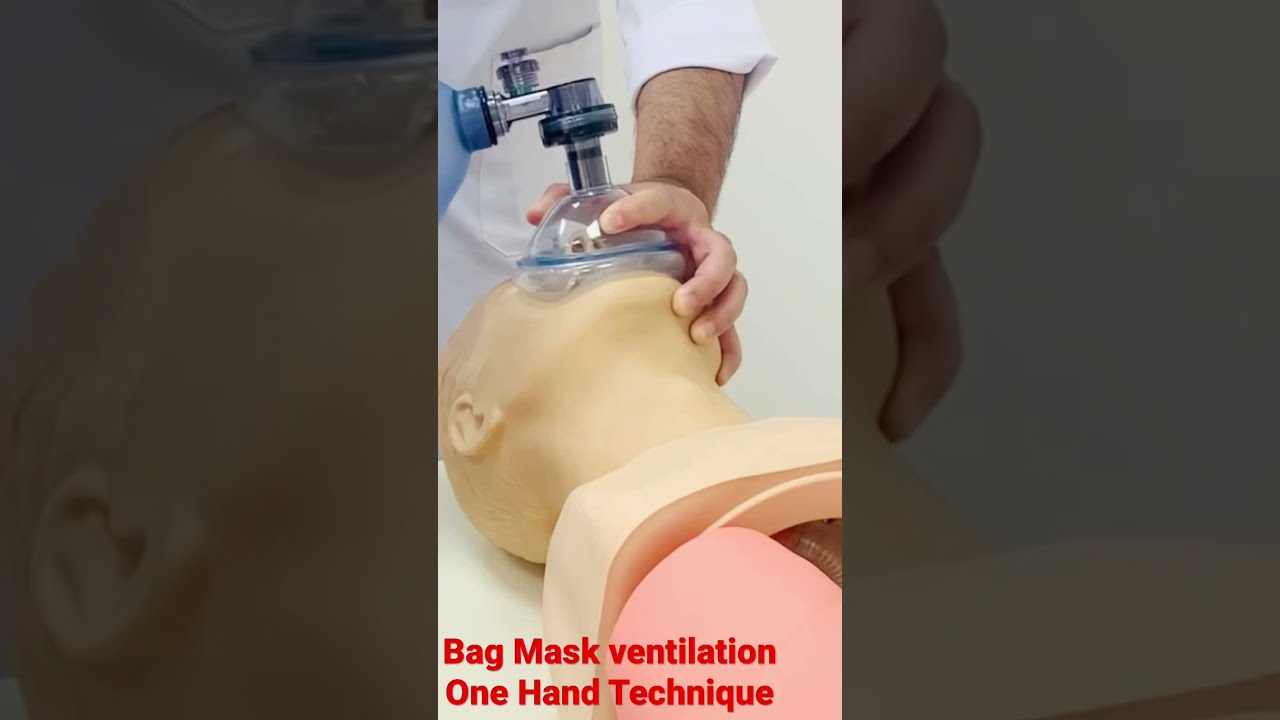
Simulation-based learning enables professionals to exercise complex treatments in a regulated environment without risking person security.
Types of Simulations Available
High-fidelity simulators that mimic real-life circumstances Low-fidelity models for basic ability acquisitionBoth kinds are essential in building expertise among healthcare providers engaged in air passage management.
Addressing Typical Misunderstandings concerning Respiratory Tract Management
Misconception 1: Only Anesthesiologists Manage Airways
While anesthesiologists play an essential duty, all health care professionals-- consisting of registered nurses-- have to be learnt basic respiratory tract principles as a result of the changability of emergencies.

Misconception 2: All Ventilators Feature Similarly
Different kinds of ventilators serve various features; comprehending each type's distinct attributes is important for reliable use throughout emergencies or routine care.
The Duty of Proceeding Education And Learning in Enhancing Skills
Continuing education and learning fosters long-lasting discovering amongst medical care experts, guaranteeing they remain upgraded on progressing techniques associated with airway management and ventilation techniques.
FAQs Regarding Airway Monitoring Challenges
FAQ 1: What Need to I Do If I Run Into Problem Intubating a Patient?
If you experience problem intubating a client, consider asking for assistance from coworkers experienced in tough respiratory tracts. Usage adjuncts such as video laryngoscopes if readily available, which can provide better visualization than straight laryngoscopy alone.
FAQ 2: Exactly how Can I Boost My Group's Interaction Throughout Air passage Emergencies?
Conduct routine simulation drills concentrating on emergency scenarios that need clear interaction amongst employee. Establishing standard interaction protocols can dramatically enhance synergy under pressure.
FAQ 3: What Are Some Indications That A Client Demands Immediate Ventilator Support?
Signs that an individual may need instant ventilator support include serious respiratory system ventilation training distress (e.g., tachypnea), modified mental condition because of hypoxia, or evidence of breathing muscular tissue fatigue (e.g., accessory muscular tissue usage).

FAQ 4: Exists a Typical Method for Taking Care Of Individuals with Tracheostomies?
Yes! Familiarize on your own with institutional protocols relating to tracheostomy care, consisting of suctioning procedures, cuff inflation/deflation techniques, and emergency treatments when faced with unintended decannulation.
FAQ 5: Can Improperly Managed Airways Result In Long-Term Complications?
Absolutely! Insufficient air passage monitoring can cause long-term complications such as lung scarring from barotrauma or relentless dysphagia from extended intubation requiring careful surveillance post-extubation periods.
FAQ 6: What Resources Are Available For Continuous Education In Respiratory Tract Management?
Explore webinars provided by expert companies like the American Association for Respiratory Treatment (AARC) or enroll in regional workshops concentrated on present ideal techniques bordering advanced airway administration techniques!
Conclusion
In conclusion, resolving the usual challenges integral in air passage management needs ongoing education with specialized training programs customized specifically towards improving both theoretical data base together with useful capability essential within clinical settings dealing with severe respiratory system crises frequently! By embracing structured academic possibilities-- such as fundamental ventilator courses-- healthcare providers outfit themselves with tools needed not just make it through yet flourish professionally while guaranteeing ideal end results for their patients!